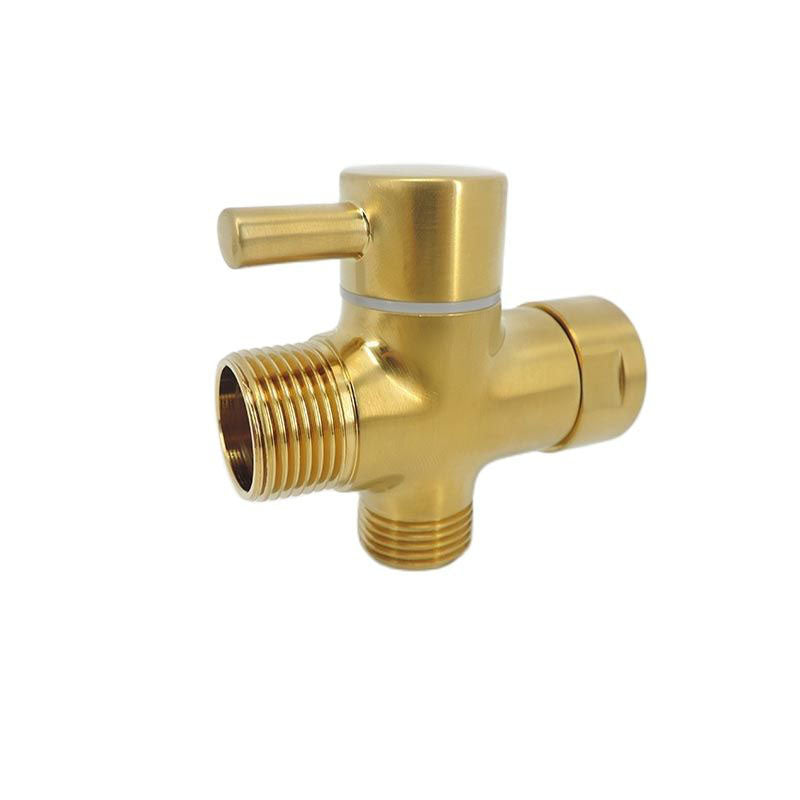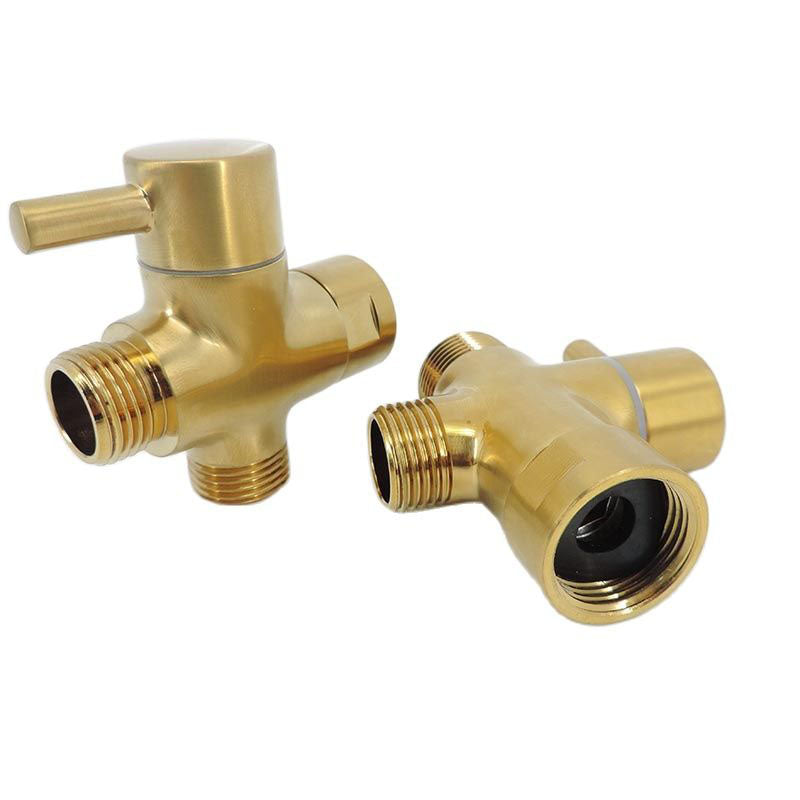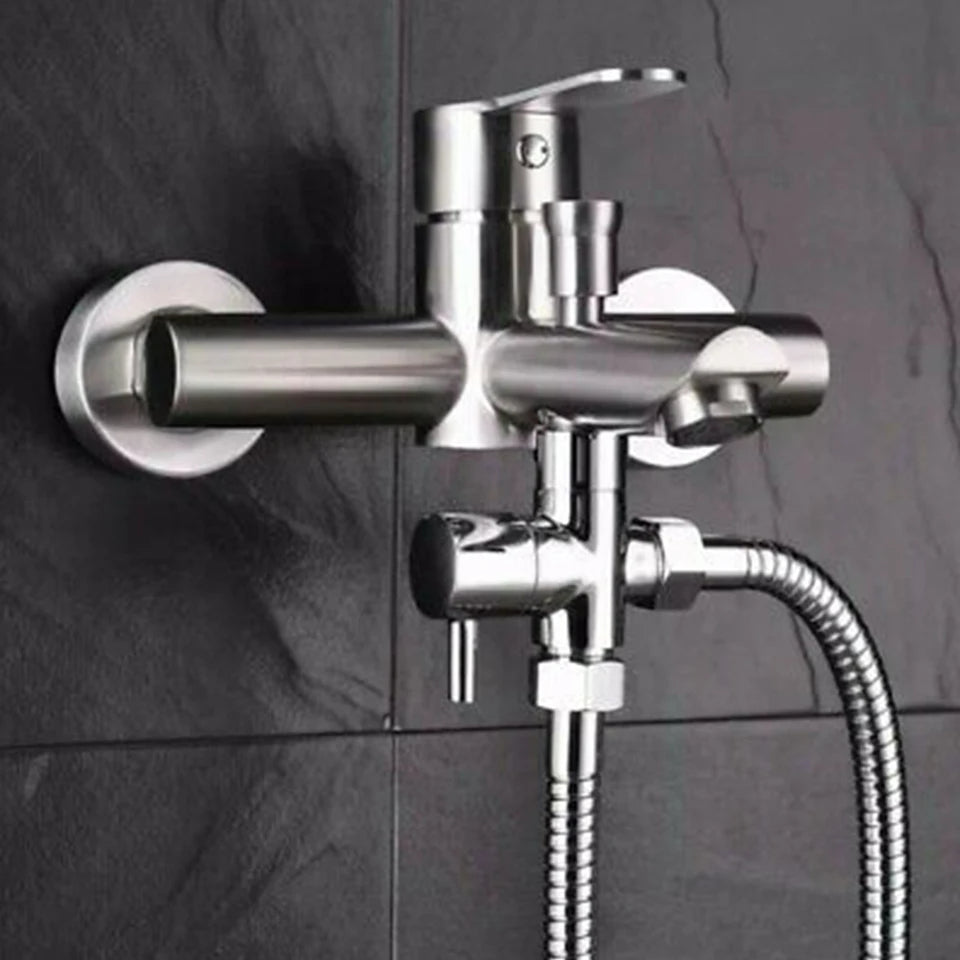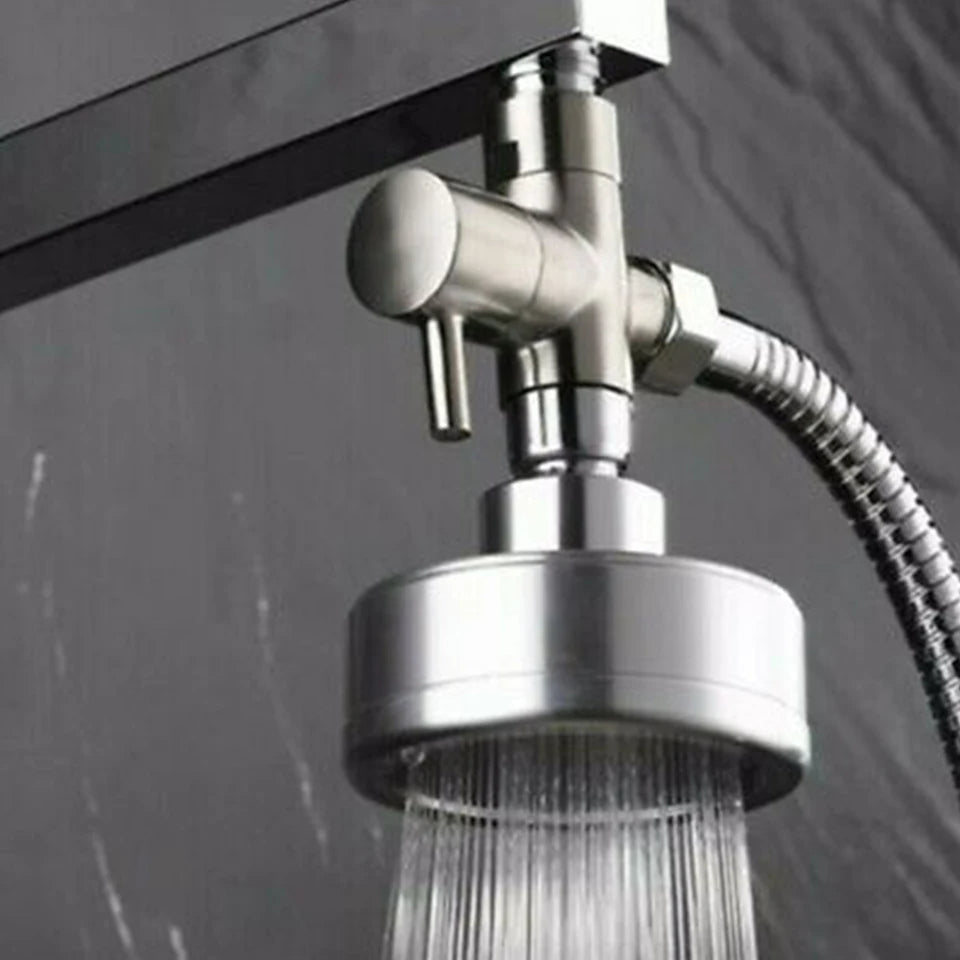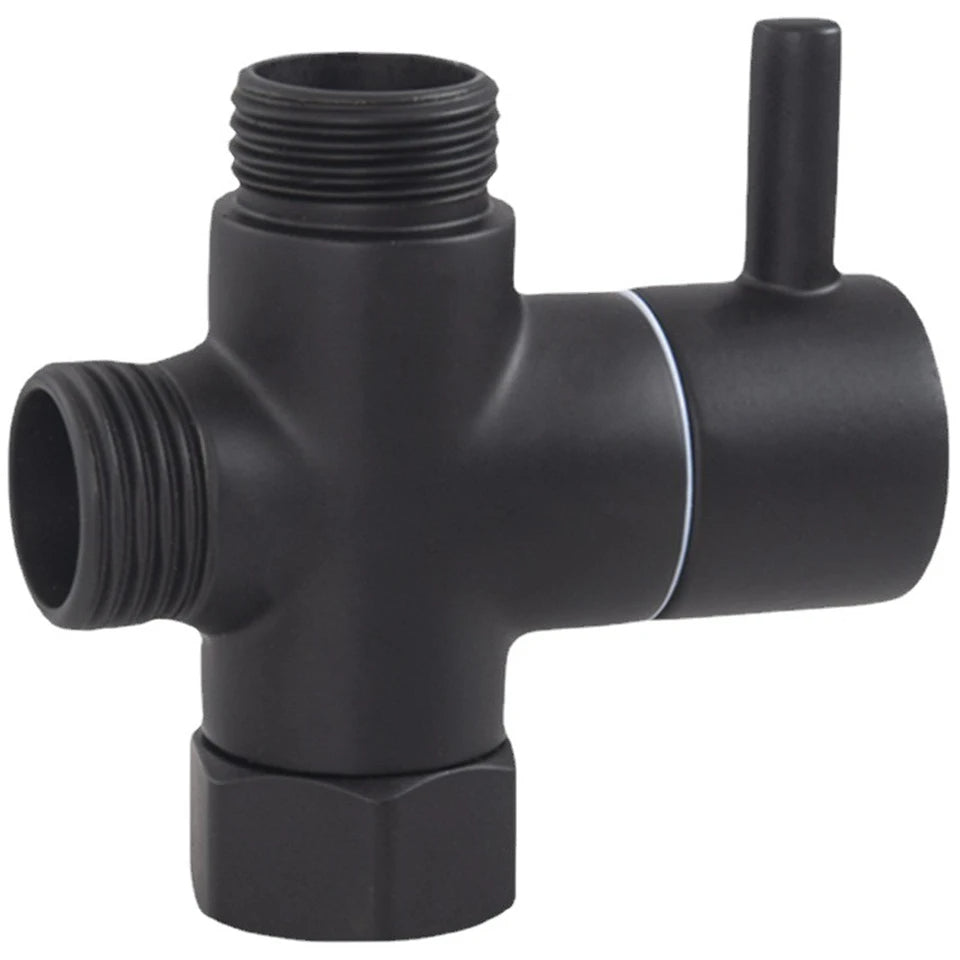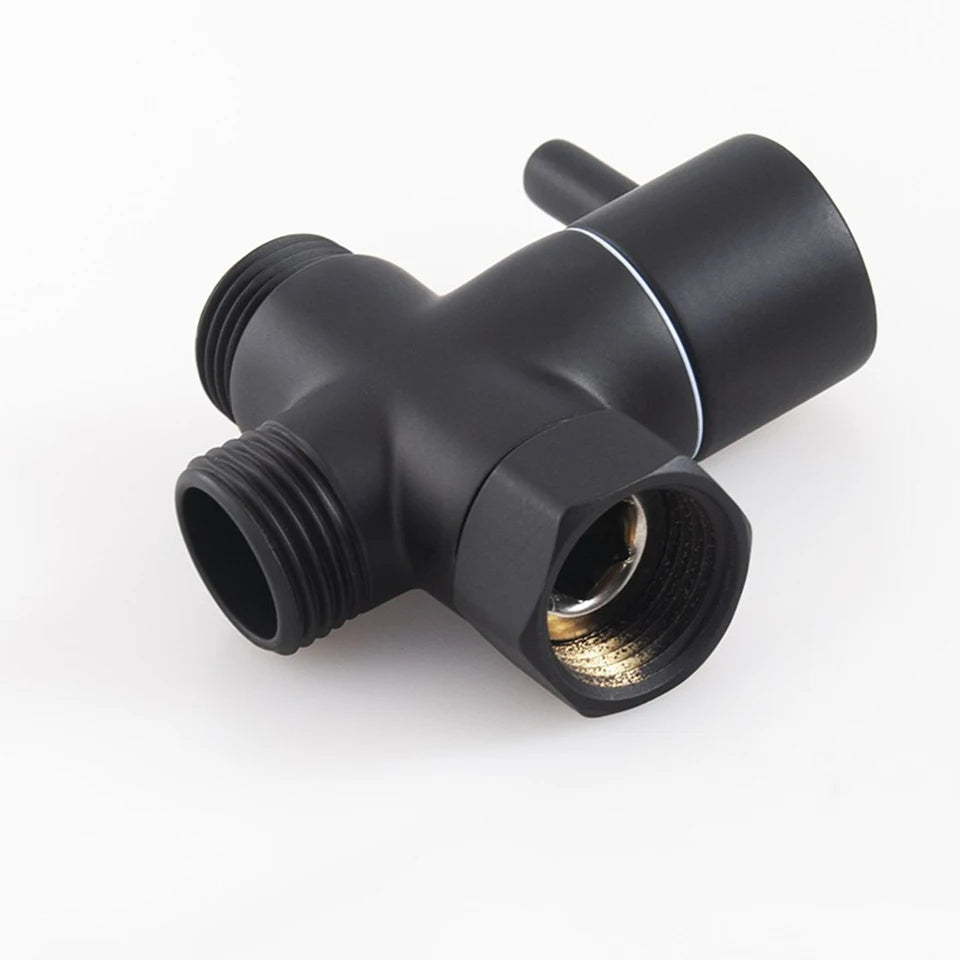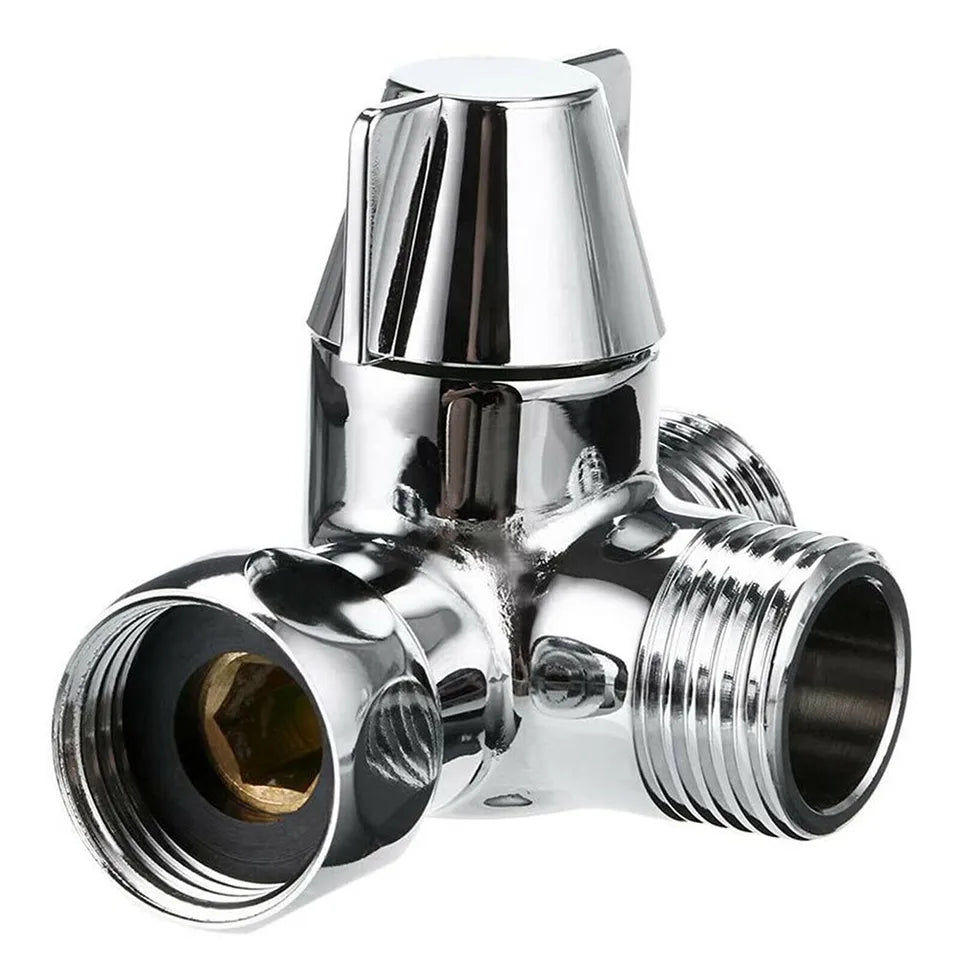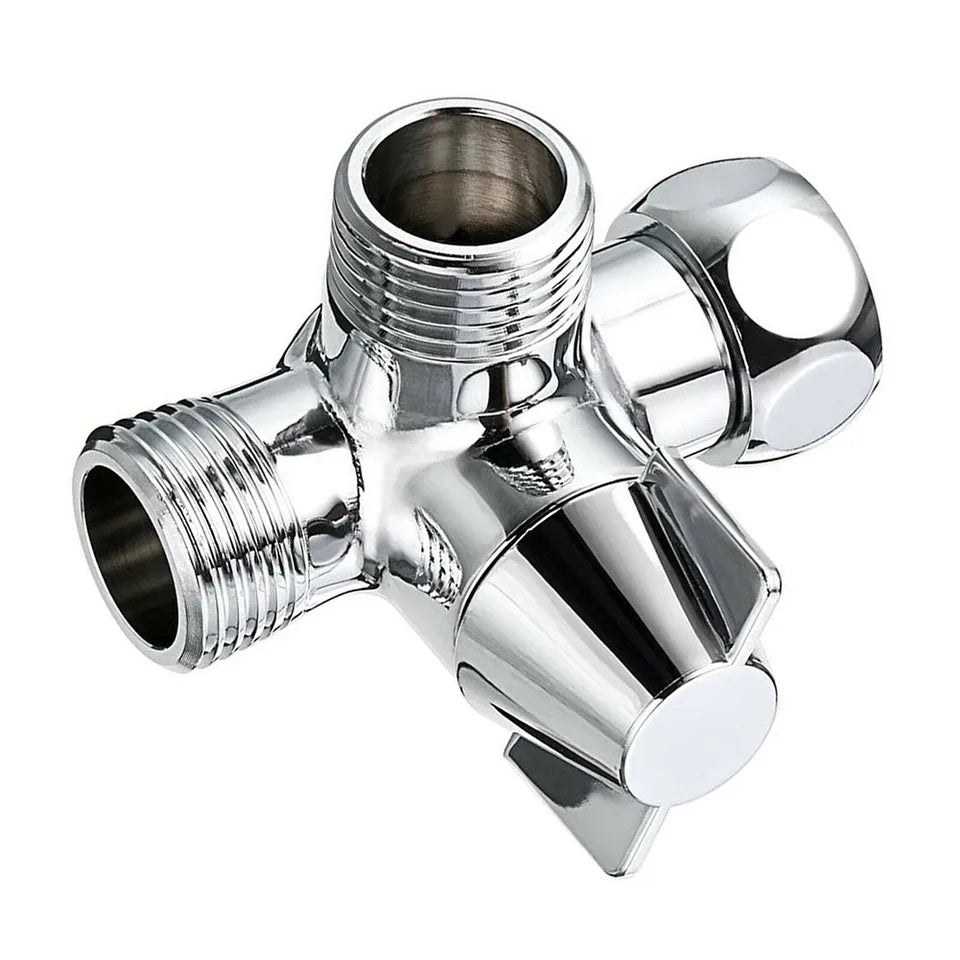
Changing a toilet tap is a job within reach even for DIY beginners. Whether to stop a leak, update your installation or connect a bidet sprayer, a replacement done properly gives you comfort and durability. Replacement models are in our toilet stop taps section.
Why change a toilet tap?
A faulty stop tap can cause leaks, be hard to operate, or spoil the look of your toilet. Replacement is called for if you notice constant dripping, seizing or visible wear. It is also a chance to switch to a more modern model such as a 3-way tap so you can easily connect a toilet bidet sprayer.
Which model should you choose for your toilet?
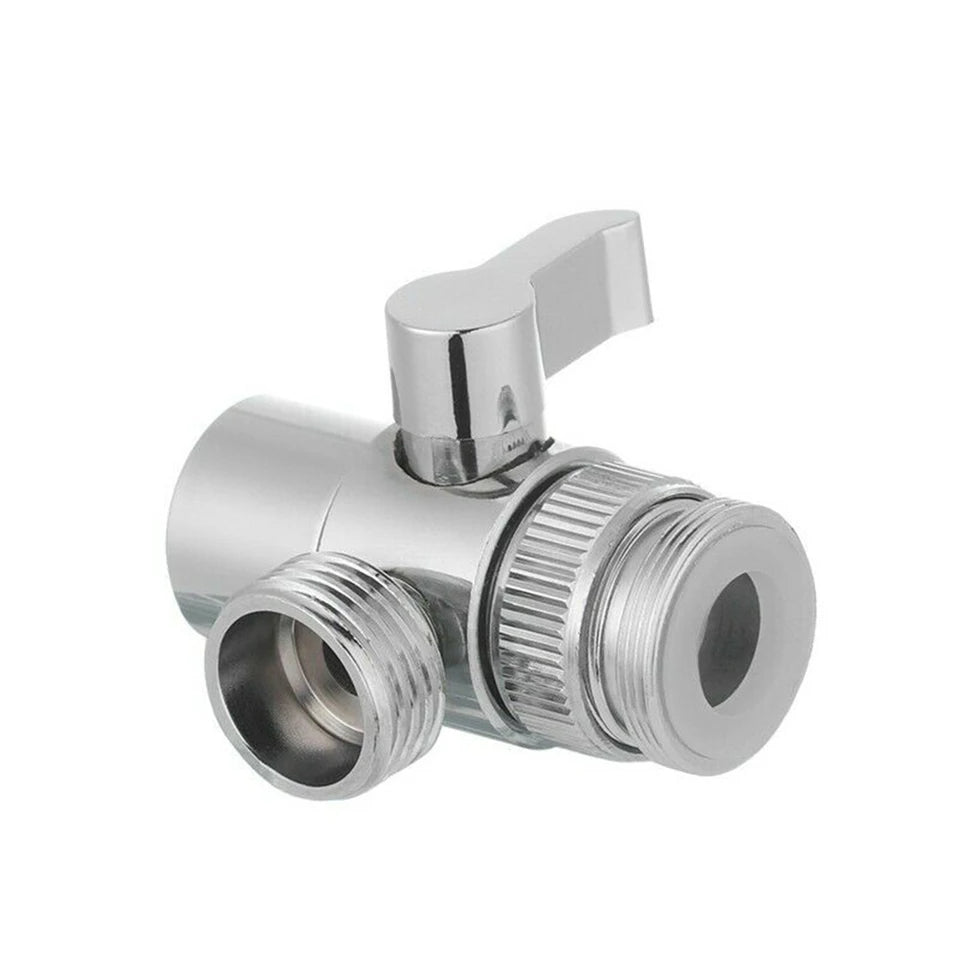
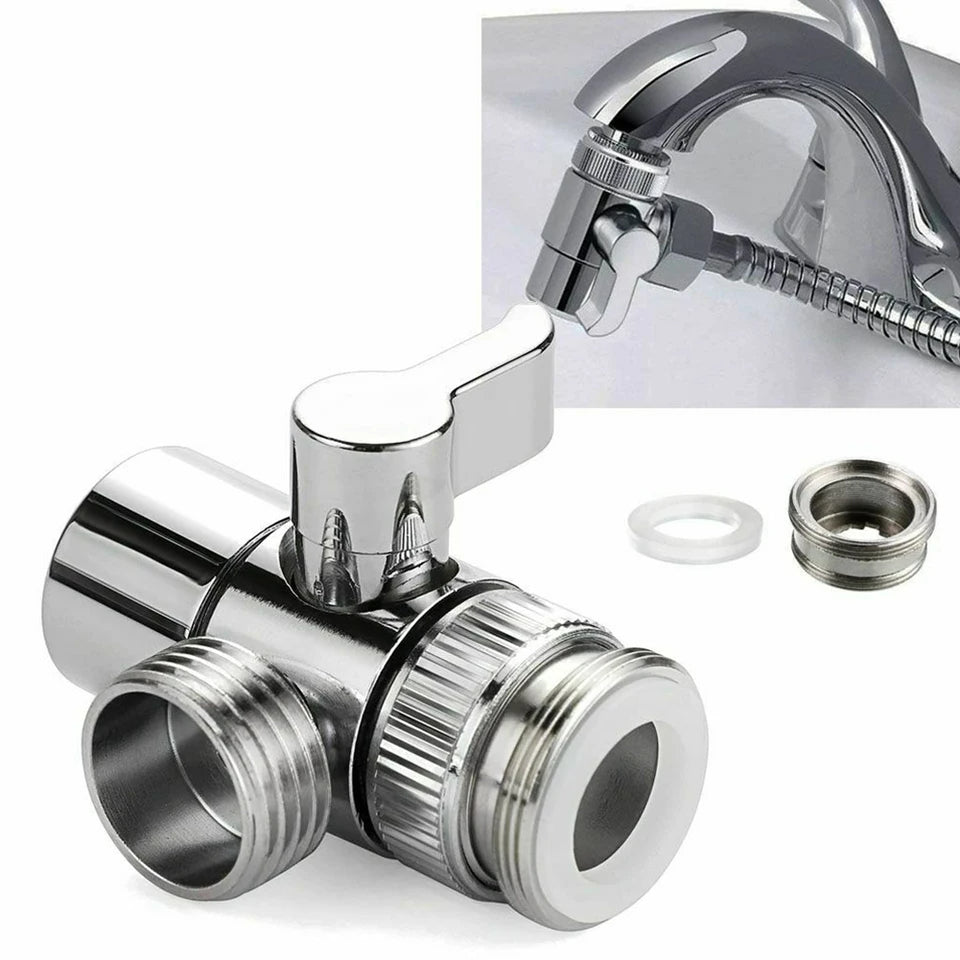
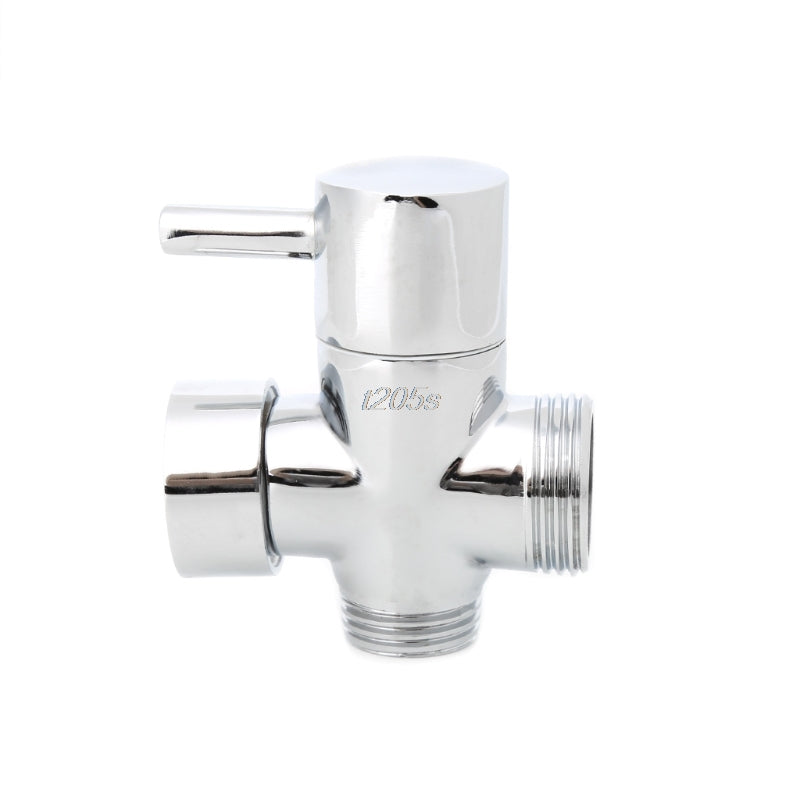
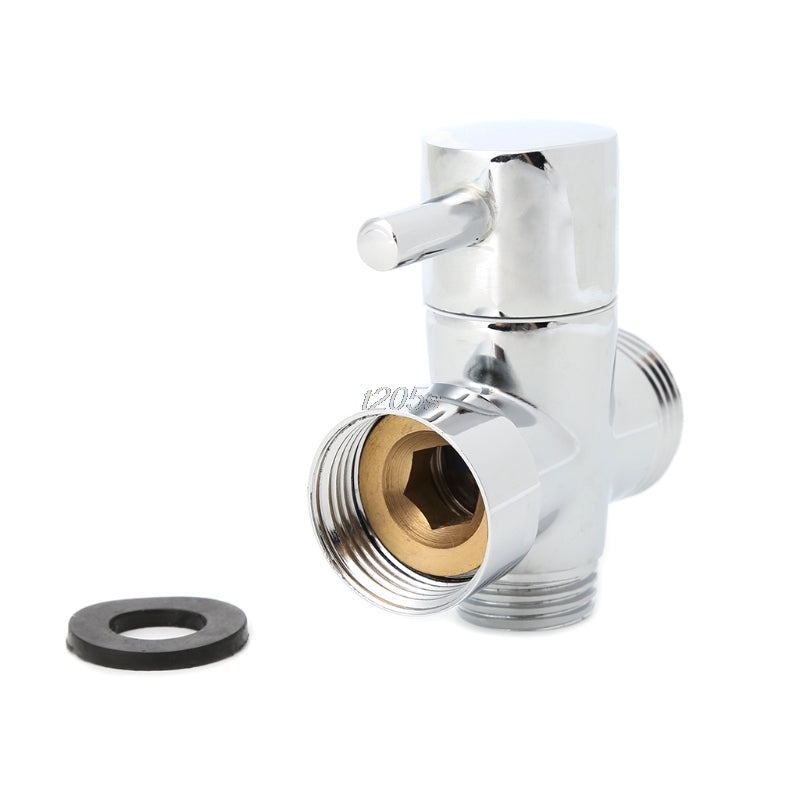
There are several options depending on your needs. Classic lever or quarter-turn models suit most installations. Taps designed specifically for toilets often offer better ease of use and better compatibility with modern flexible hoses. For more versatility, choose a 3-way tap, ideal for supplying both the cistern and a bidet sprayer.

What you need
- An open-ended spanner or grips
- A cloth
- PTFE tape
- A suitable new tap
You can find different models in our selection of toilet taps.
Step 1: turn off the water supply
Turn off the main water supply or the local stop tap if it still works. Then flush the toilet to empty the cistern, and place a bowl under the tap to catch any remaining water.
Step 2: remove the old tap
Start by unscrewing the flexible hose that connects the tap to the cistern. Then, using an open-ended spanner, unscrew the tap itself. If the thread is scaled up, apply a penetrating oil and leave it for a few minutes. Clean the threads before fitting the new tap.
Step 3: fit the new toilet tap
Wind PTFE tape around the male thread to make it watertight. Screw the new tap on by hand, then tighten moderately with a spanner. Reconnect the hose to the cistern and make sure the washers are in good condition. To find out which washer to use (12/17 or 15/21, fibre or rubber), see the right washer for a toilet tap.
If you are fitting a 3-way model, also connect the pipe for the toilet bidet sprayer. These models are ideal for updating your toilet without changing all the plumbing. Connecting the sprayer itself is covered in our guide to fitting a toilet bidet sprayer.

Step 4: test and check
Turn the water supply back on and watch the connections. If a leak appears, check the tightness or add PTFE tape. No seepage should be visible. If everything is dry, you can use your toilet as normal.
When should you replace your tap?
It is advisable to replace a toilet tap in the event of a persistent leak, signs of corrosion, difficulty opening or closing it, or when installing a new bidet sprayer. Then choose a model suited to your set-up, for safety and convenience.