A mixer tap is faulty when it leaks from the spout or the base, when the temperature no longer holds, when the lever becomes stiff or when the flow drops for no reason. In most cases the fault comes from the cartridge, a seal or limescale, and it can be repaired. Replacement is needed when the body is damaged or the faults keep coming back.
This guide applies to a shower mixer as well as a kitchen mixer tap at the sink. Here are the most common symptoms, their likely causes and the right reflexes to adopt, to avoid excess water use, damage and repeat breakdowns. The same symptoms apply to a bath tap that leaks or runs hot and cold.
Symptom, cause, action: the table for a quick decision
| Symptom | Likely cause | First step | When to replace |
|---|---|---|---|
| Dripping from the spout, seeping at the base | Worn seal or cartridge | Change the seals, check the tightness | The leak persists with new seals: cartridge, then mixer tap if the body is cracked |
| Unstable temperature, hot or cold water no longer coming | Scaled-up or worn cartridge, insufficient pressure on a thermostatic mixer | Descale the cartridge, check the isolation valves | The setting still drifts after descaling |
| Weak flow, uneven jet | Clogged aerator, deposits in the cartridge or hoses | Rinse the aerator in white vinegar | The flow does not return after cleaning the cartridge and hoses |
| Stiff lever, notchy movement, mixer getting hard to move | Limescale, internal lubrication worn out | Take apart, clean, grease | The stiffness returns quickly: new cartridge |
| Whistling, banging when opened | Pressure too high, loose part, isolation valve half closed | Open the valves fully, tighten the fixings | The noise persists and the cartridge is old |
| Corrosion, crack, play between the body and the base | Structural wear | No lasting fix | Straight away: watertightness is no longer guaranteed |
1. Visible leak or discreet seepage
The first indicator is a leak. It can show up as dripping from the spout, seepage at the base of the body or water running around the lever. In most cases a seal or the cartridge is to blame. A light leak seems harmless, but it raises your water bill and can damage the worktop or the cabinet. If the seals have been replaced recently and the leak persists, the mixing cartridge probably needs changing. For a kitchen tap, the step-by-step is detailed in our article on how to change a kitchen tap washer. When it still drips with new seals, our guide on the cartridge of a dripping mixer tap helps you find the faulty part.
2. Unstable temperature or impossible to adjust
If the temperature swings from hot to cold without you touching anything, or if you can no longer find a comfortable setting, the internal cartridge may be scaled up, seized or worn. On a thermostatic model, poor temperature stability is a typical sign of a cartridge that needs descaling or replacing. Very hard water speeds up this problem.

3. Hot or cold water problem in the shower
A shower mixer stuck on hot, or no cold water in the shower while the basin works: the problem is almost always in the mixer, not in the water heater. If only one tap in the house is affected, look at its cartridge. If no tap has hot water any more, check the water heater first.
On a thermostatic mixer, the cartridge needs enough pressure to mix properly. Our product pages say so: below 1.5 bar, a thermostatic mixer regulates poorly. A drop in mains pressure can therefore make a mixer seem faulty when it is not.
4. Drop in flow or uneven jet
A flow that drops suddenly, surging or a lopsided jet often points to a clogged aerator or deposits in the cartridge. Start by unscrewing the aerator and rinsing it in white vinegar. If the problem persists, the blockage is probably in the cartridge or upstream (partly blocked hoses). On a kitchen mixer tap with a pull-out spray, also check the spray head and its hose, which scale up like everything else.
5. Stiff handle, notches or uneven travel
When the lever catches, becomes very hard to lift or lower, or has notches, the internal lubrication is no longer sufficient or limescale has built up. A mixer that gets stiff, or hard to open and close, can often be cured by taking it apart and cleaning the accessible parts. If the stiffness returns quickly, change the cartridge. A mixer that does not hold its position, that drops back or spins freely, comes down to the same diagnosis.
6. Abnormal noises: whistling, banging, rumbling
Noises in the tap or the pipework when opening or closing can reveal water pressure that is too high, a loose internal part or a deposit that creates turbulence. Start by checking that the isolation valves are not half closed (which sometimes causes a whistle). If the noise persists, the cartridge may be at the end of its life.

7. Signs of oxidation, pitting, play in the body
Micro-cracks, a flaking finish, abnormal play between the body and the base, or visible corrosion are all signs of a worn-out mixer. Beyond looks, watertightness may be compromised. When the wear affects the structure, it is better to consider a full replacement.
8. Smell, cloudy water or recurring deposits
Metallic smells or slightly cloudy water when you open the tap can indicate internal stagnation or persistent deposits. Clean the aerator and run the water for a few seconds. If it keeps coming back, the cartridge or the hoses may have built up particles.
Age of the fitting and frequency of faults
More than age, it is the frequency of repairs that decides. If repairs multiply (seals, aerator, cartridge) and the symptoms return, replacement becomes more sensible than yet another repair. What wears a mixer out, and how long it lasts depending on your water and use, is covered in our article on the lifespan of a mixer tap.
What to do depending on the symptoms?
- Localised leak: replace the seals and check the tightness. If the leak persists, change the cartridge.
- Unstable temperature: descale the cartridge, or replace it on thermostatic models.
- Weak flow or uneven jet: clean or replace the aerator; rinse the hoses; check the cartridge.
- Stiff handle: take apart, clean, grease with drinking-water-safe silicone grease; failing that, a new cartridge.
- Noises: check the pressure (pressure reducer if necessary), tighten the fixings, inspect the cartridge.
Repair or replace: how to decide?
If the tap body is sound and the problem is identified (aerator, seals, cartridge), the repair is quick and cheap. However, in the case of structural wear, corrosion or repeated faults, replacement is the answer. Before any work, turn off the water at the isolation valves. Take the opportunity to choose a model better suited to how you use it:
- For the kitchen: go for a high spout, a precise jet and, if needed, a pull-out spray. Browse our selections of kitchen mixer taps to find a practical, long-lasting model. For the replacement itself, see whether it is difficult to change a kitchen mixer tap.
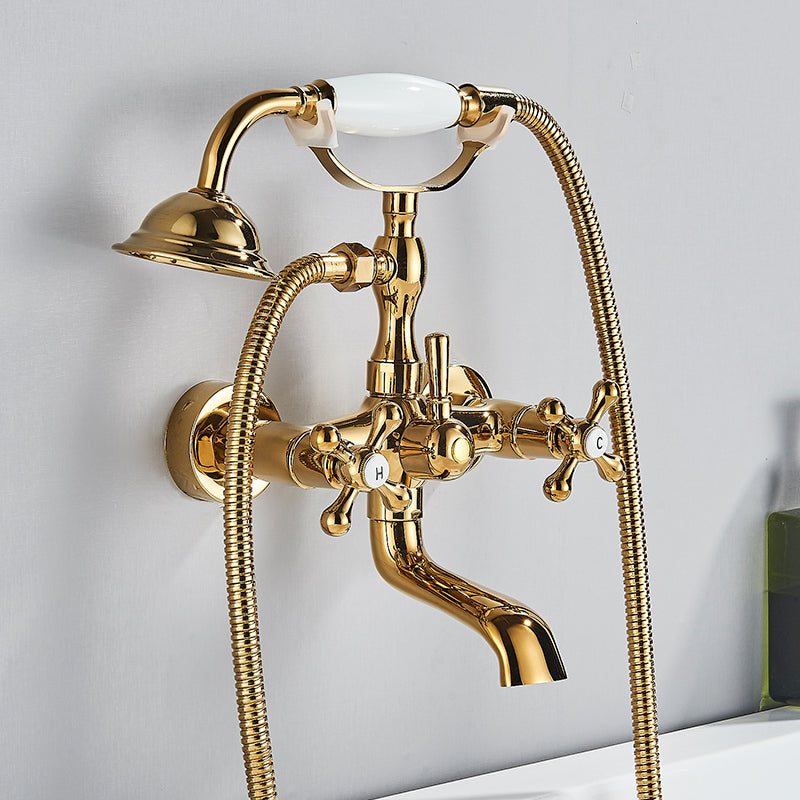
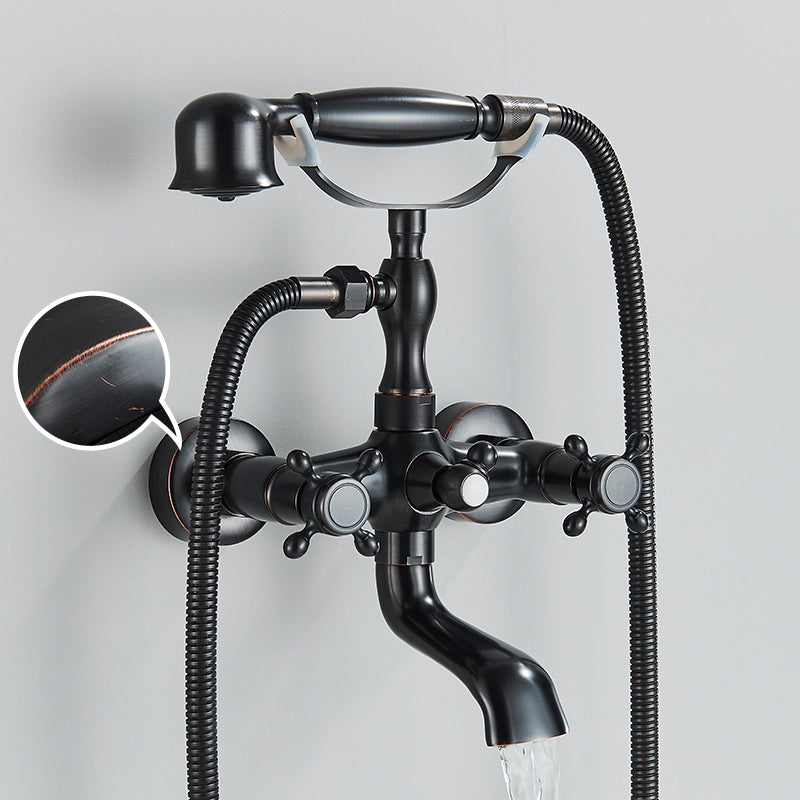
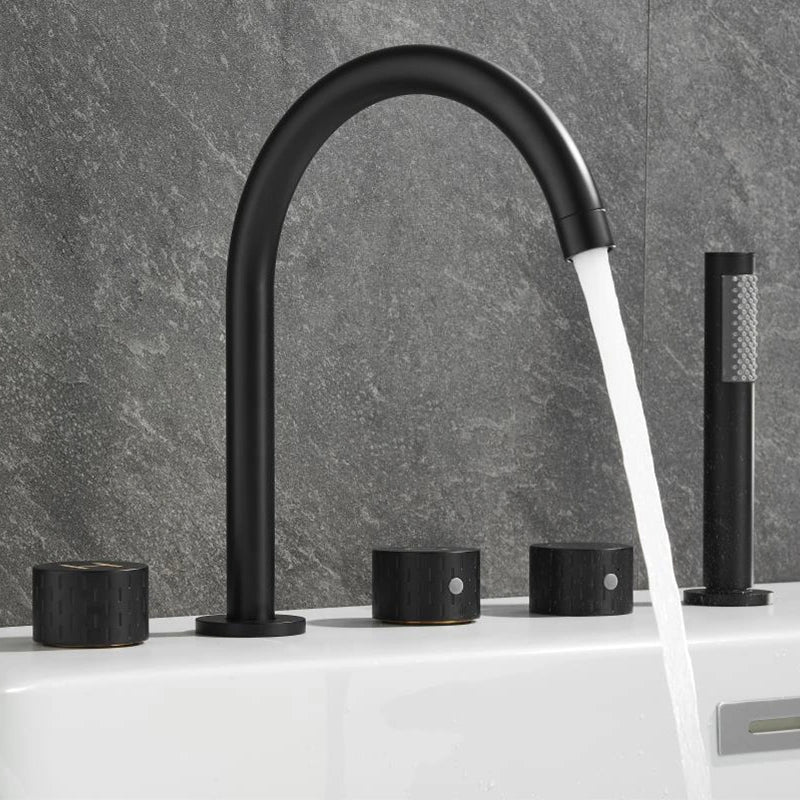
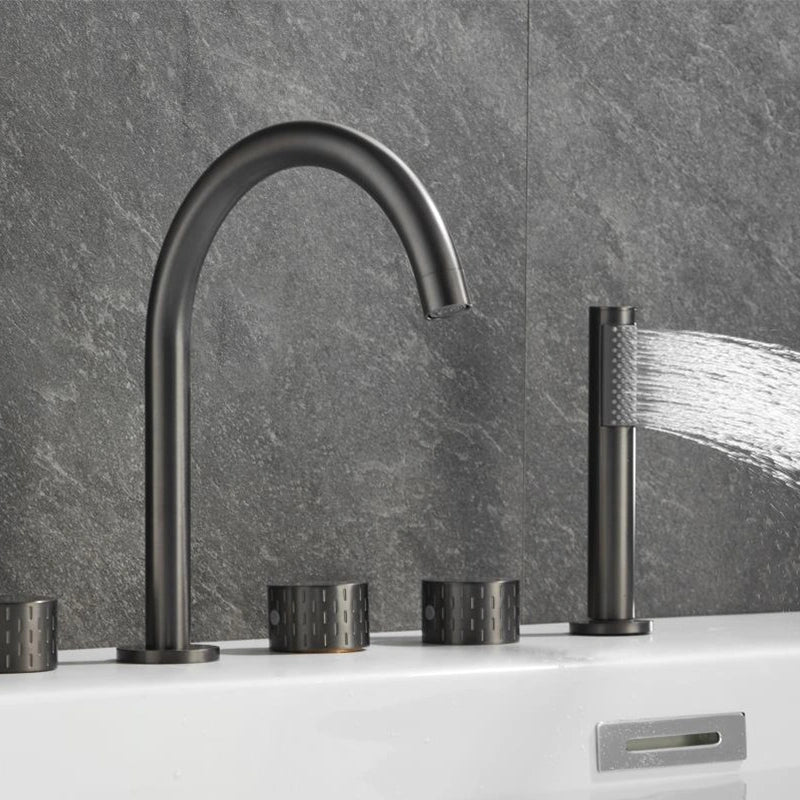
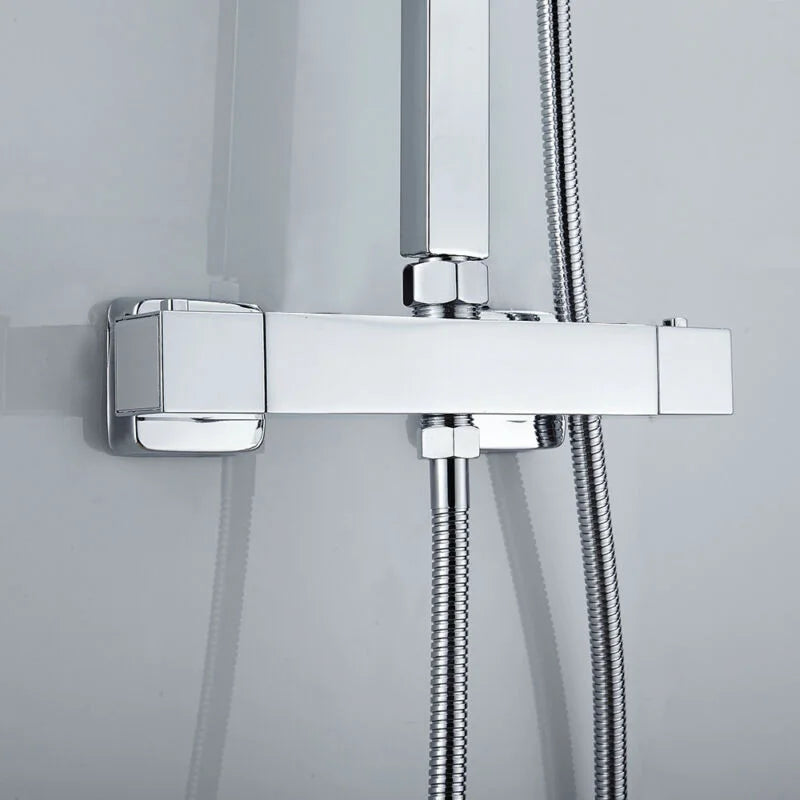
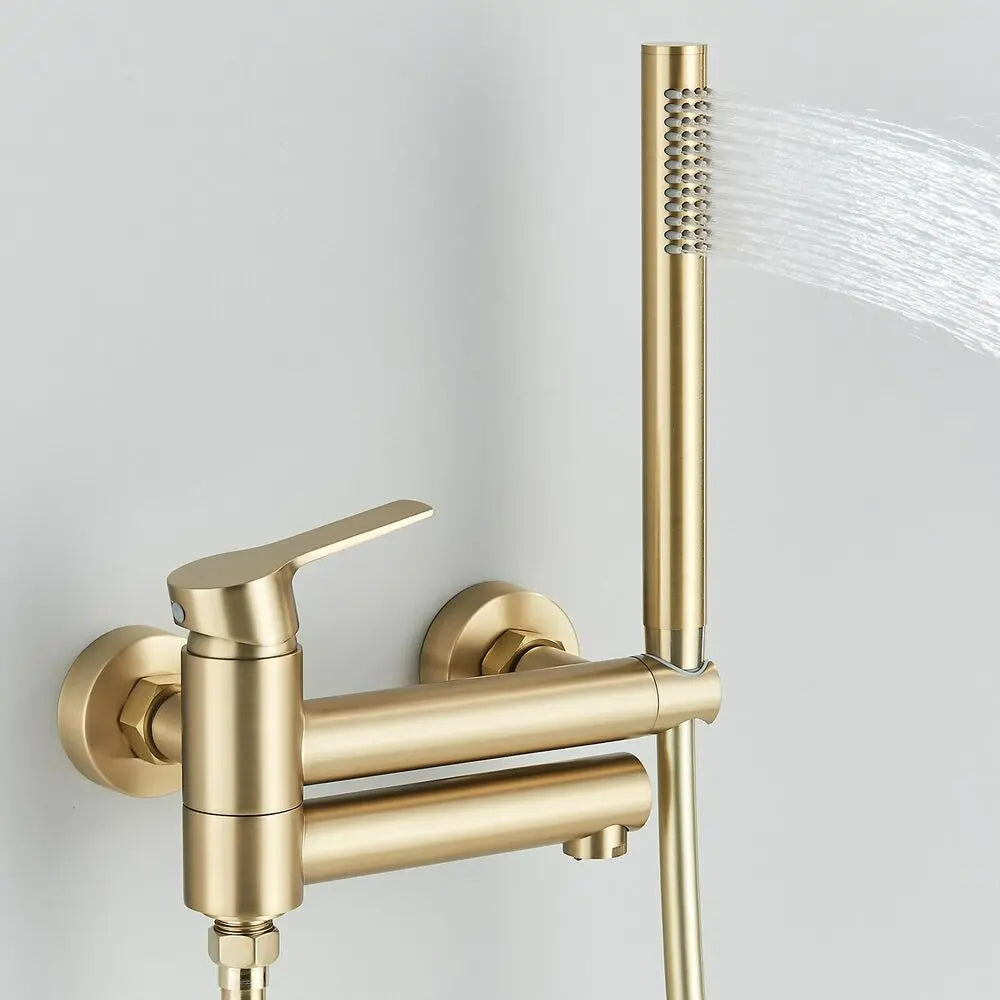
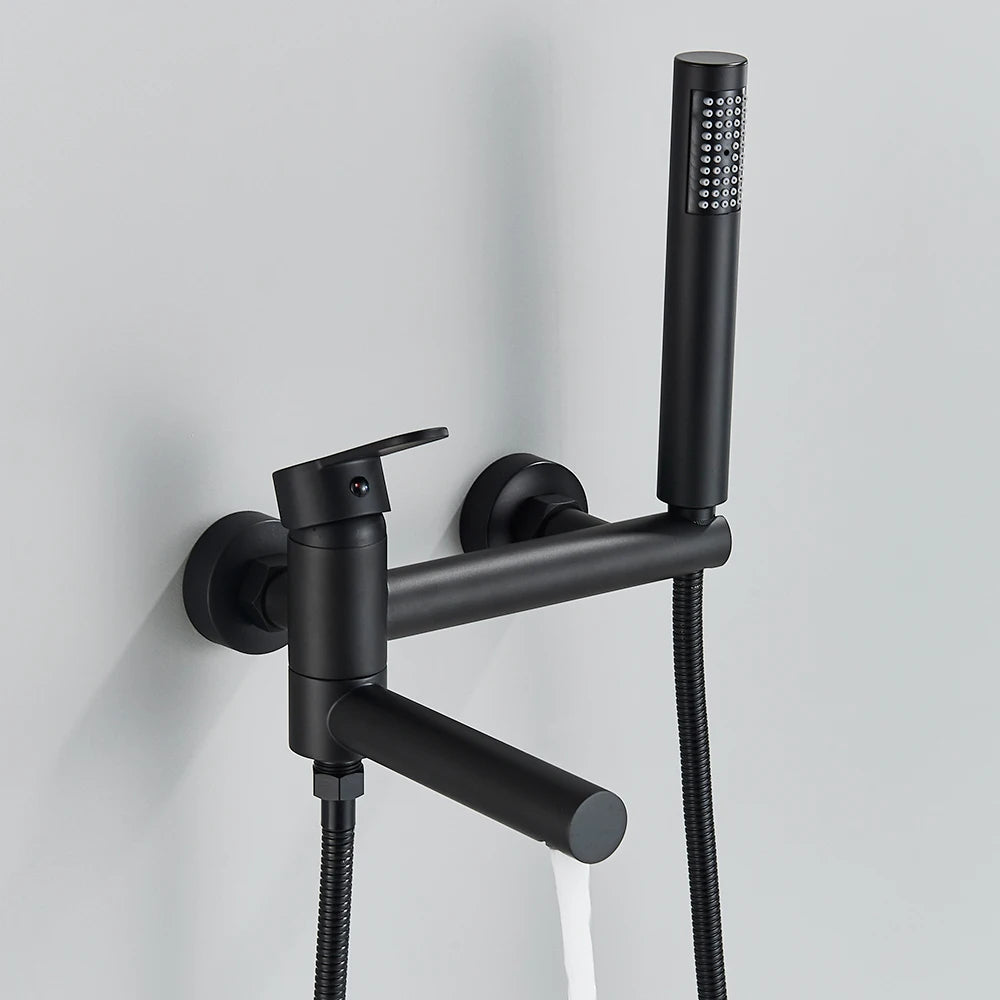
- For the shower: an exposed wall-mounted mixer connects to the existing eccentric fittings, without touching the tiles. Our shower mixers state the connection and the type of fitting on each product page.
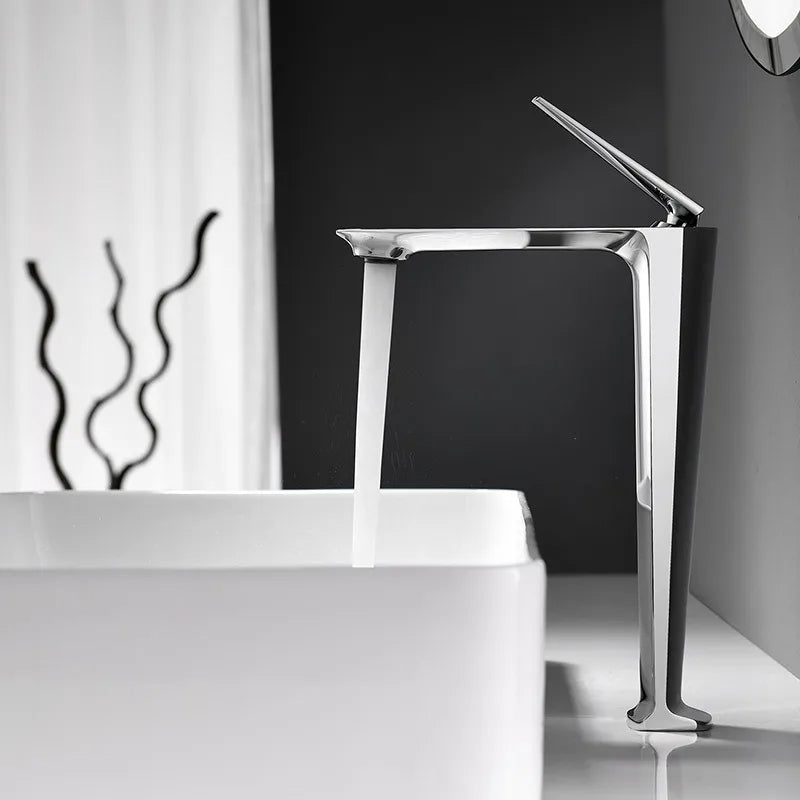
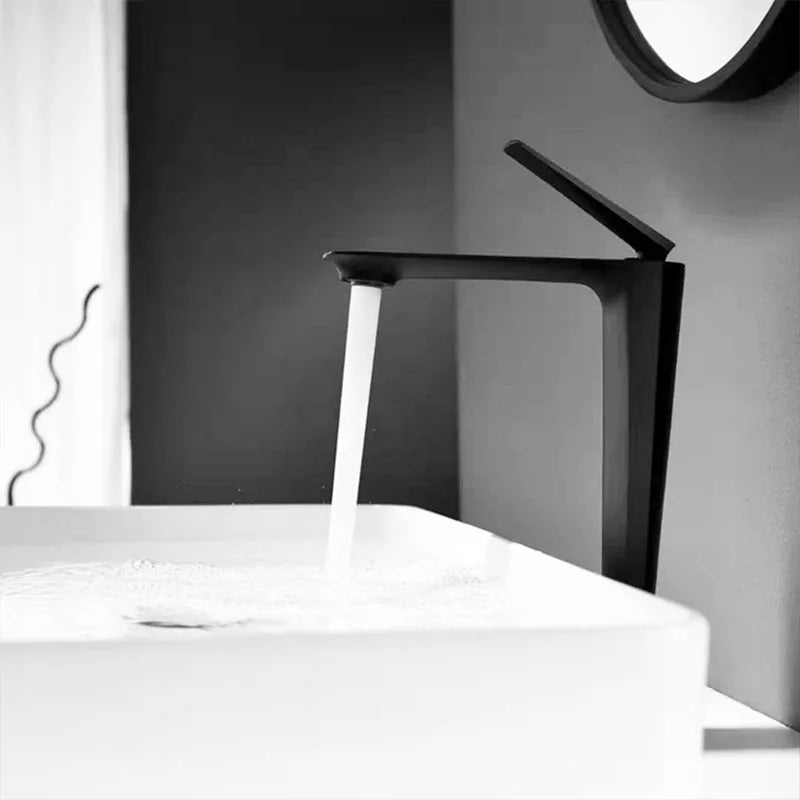
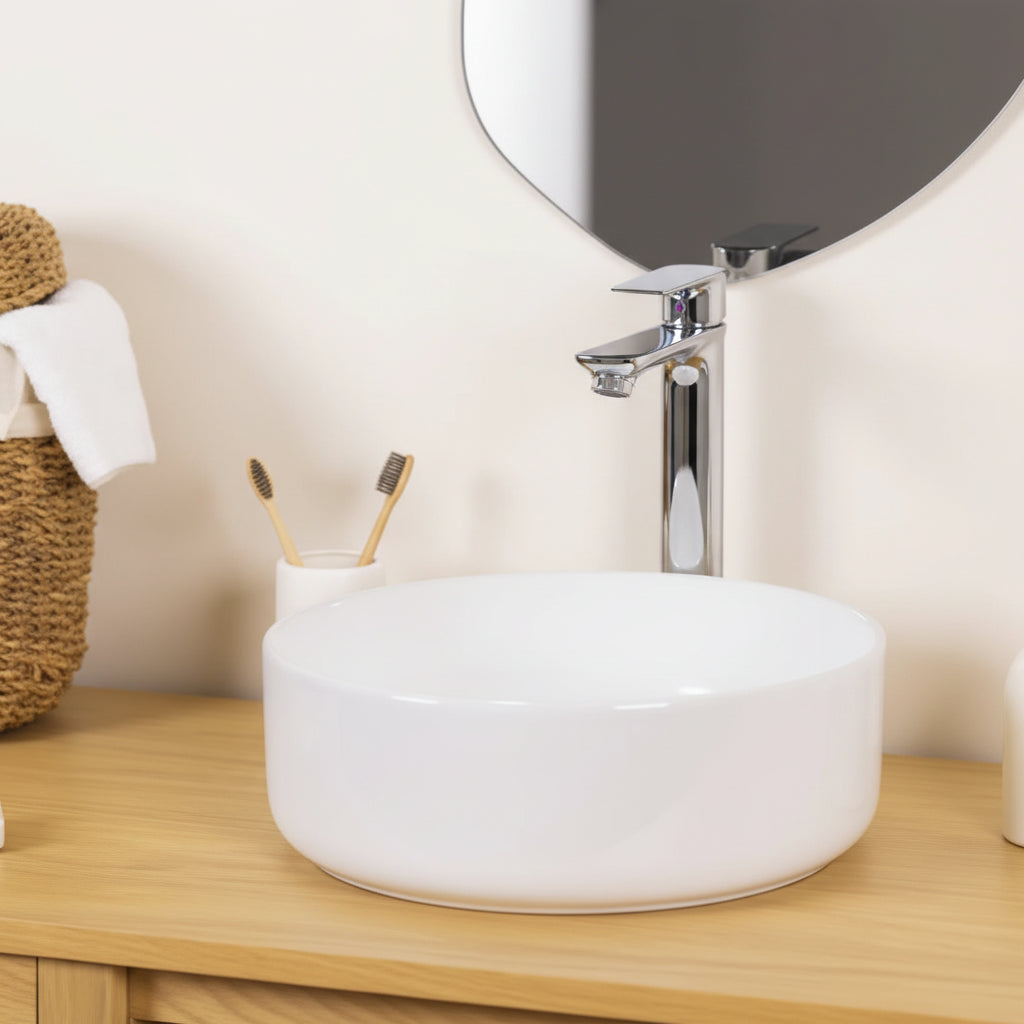
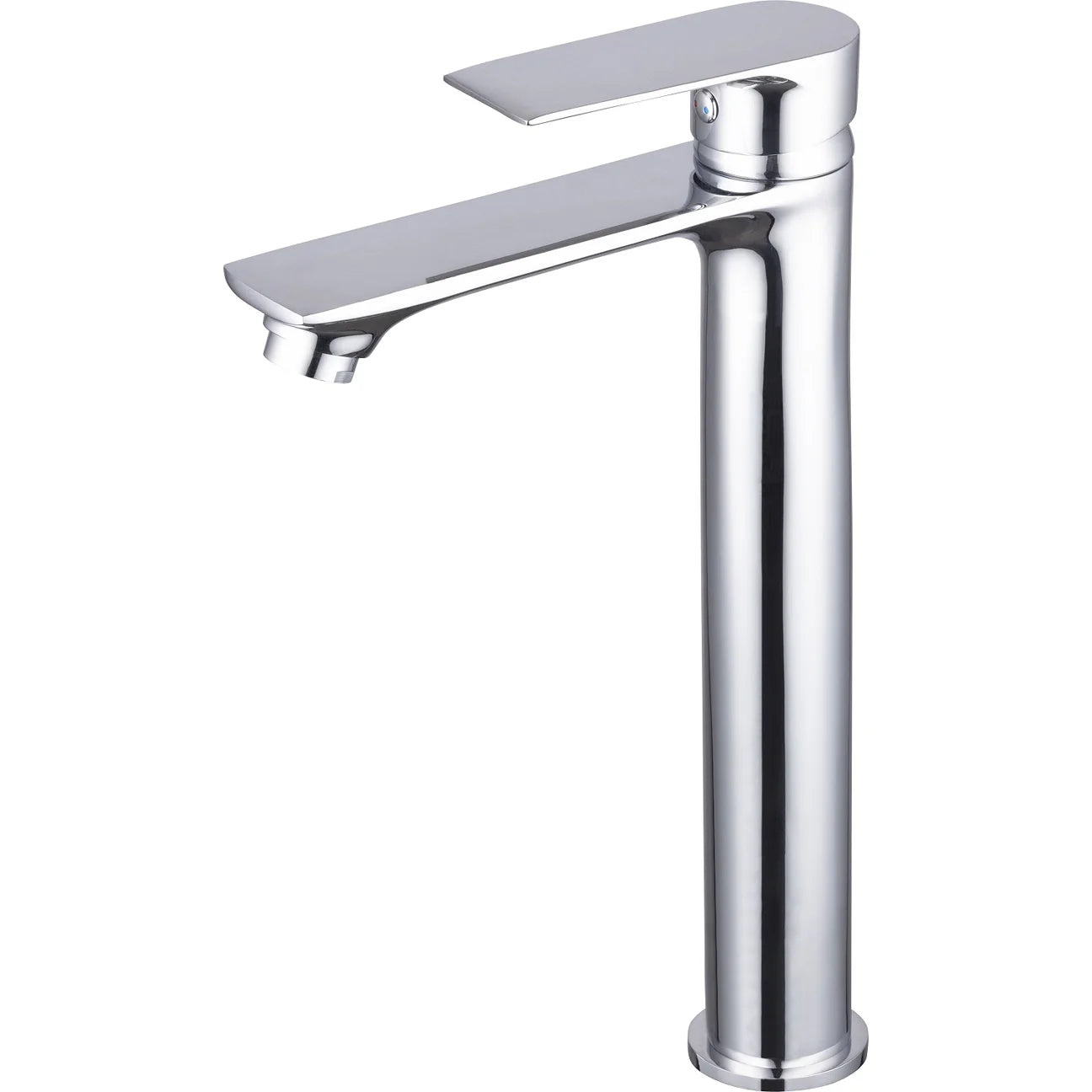
- For the bathroom: match the spout height to the basin and think about thermal comfort. Discover our bathroom mixer taps designed for a controlled flow and finer regulation.
How can you tell if the mixer tap is dead?
It is out of service when a symptom in the table returns despite the action indicated, or when the body itself is affected: crack, corrosion, play at the base. A mixer that leaks with new seals and a new cartridge, or that stays stuck, no longer works at all or no longer mixes hot and cold water after descaling, needs replacing. For a wall-mounted model, the procedure is in our guide on changing a wall-mounted shower mixer.
Good habits to extend its lifespan
- Descale the aerator regularly (white vinegar) and rinse it.
- Operate the lever gently to preserve the cartridge.
- Fit a pressure reducer if your supply exceeds the manufacturer's recommendations.
- In hard water areas, consider a limescale protection device (filter, anti-scale cartridge upstream).
By watching for these early warning signs and acting early, you avoid costly leaks and get back optimal comfort, whether in the shower, at the sink or at the basin.